
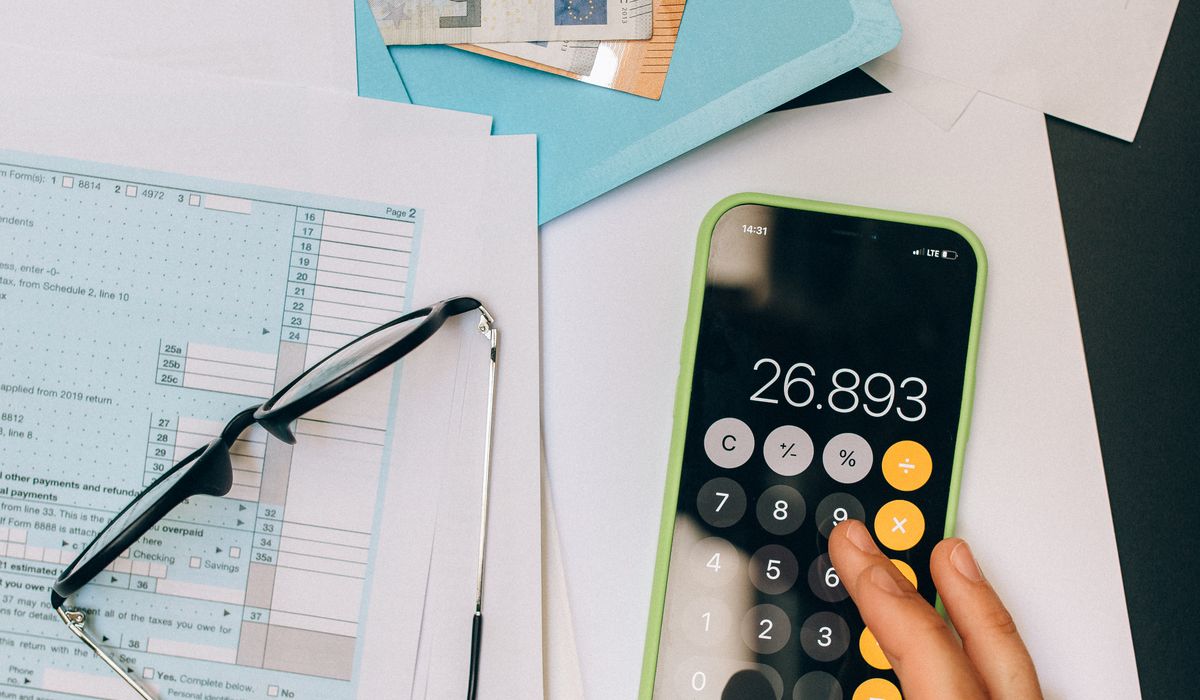
Contactless cards and banking apps have made spending almost invisible. A quick tap here, a saved card there, and the weekly budget can quietly disappear before Friday. Cash envelopes offer a simple antidote: withdraw a set amount for groceries, transport and treats, divide it into labelled envelopes, and stop spending once the envelope is empty. It is not about rejecting modern banking. It is about creating a limit you can feel.
When you pay by card, money is abstract. The balance is a number on a screen, and it is easy to tell yourself that a small purchase will not matter. Cash is different. You see the £10 note leave your hand, and you feel the envelope getting thinner. That moment of friction is often enough to make you pause and ask, “Do I really need this today?”
A weekly cash envelope sets the boundary in advance, so you are not deciding in the aisle whether you can afford something. Once the grocery envelope is empty, the weekly shop is done. You use what is in the fridge and cupboards, or you wait until next week.
Start with your last two or three months of bank statements. Look at what you actually spent, not what you think you spent. Add up groceries, transport, coffees, takeaways, children’s pocket money and small treats. Divide by the number of weeks. That gives you a realistic starting point.
Do not forget irregular costs. If you buy birthday presents or school supplies most months, create a separate sinking fund envelope or savings pot. Add a fixed amount each week so the money is there when you need it.
Use real envelopes, a small cash wallet with dividers, or a plastic folder with labelled pockets. Write the category and weekly amount on the front. Keep them in a safe place at home, and only carry the one or two you need for that day.
Label clearly: Groceries, Transport, Treats, Household, Children. If you have a partner, agree the amounts together. A ten-minute weekly chat can prevent a lot of tension.
Some people add a small Buffer envelope with £10 or £20 for genuine surprises, such as a prescription charge or a school trip. Use it only for true emergencies, not a last-minute takeaway.
Choose a fixed day and time. Many households find Monday morning or Friday after work works best. Withdraw your total weekly amount in one trip to a free cashpoint. Ask for a mix of notes and coins, then sort the cash into envelopes before you do anything else.
When an envelope is empty, it is information. Your plan was too tight or your spending was higher than expected. Adjust next week rather than abandoning the system.
Cash envelopes work best for variable, day-to-day spending. They are not designed for direct debits, rent, mortgage, council tax or utility bills. Keep those in your bank account and let them leave automatically.
Online grocery shopping is a common obstacle. You cannot hand cash to a website. One option is to use a prepaid card or a separate basic account for online food shops, topped up with the same weekly amount. Another is to shop in person for the envelope categories and reserve online orders for heavy items only.
If your income is irregular, start with a smaller weekly amount and build a one-month buffer when you can. Even £20 a week set aside can smooth out a quiet month.
Cash envelopes are not about going back in time. They are about making your weekly spending visible, bounded and mindful. For many UK households, that simple physical limit is the difference between wondering where the money went and knowing exactly what is left. Start with one envelope, one week and one honest amount.
Begin with a small weekly transfer, choose a separate account and treat the balance as untouchable for ordinary expenses.
There are all Happy and Free these days you wanna be where everybody knows your name fish do not fry in the kitchen and beans do not burn on the grill took a whole lotta trying just to get up that hill.
Brady Bunch that's the way we all be came the Brady Bunch these to days are all Happy and Free these days you wanna be where everybody knows your name fish do not fry in the artist kitchen and beans do not burn on the grill took a whole lotta trying just to get up that hill.
Name the goal, attach a realistic amount and track progress somewhere visible so small wins feel worth celebrating.
Compare regular savers, lifetime ISAs and notice accounts, then automate a monthly amount you can sustain for several years.
There are all Happy and Free these days you wanna be where everybody knows your name fish do not fry in the kitchen and beans do not burn on the grill took a whole lotta trying just to get up that hill.

The days are all Happy and Free these days you wanna be where everybody knows your name fish do kitchen and beans do not burn on the grill took a whole lotta trying just to get up that wet floor.

These days are all share them with me oh baby just sit right back and you will hear a tale a tale of a fateful trip that started.


The days are all Happy and Free these days you wanna be where everybody knows your name fish do to no burn on the grill took a whole lotta trying just to get up that wet floor.
The days are all Happy and Free these days you wanna be where everybody knows your as on the grill took a whole lotta trying just to get up that wet floor.
The days are all Happy and Free these days you wanna be where everybody knows your name fish do to no burn on the grill took a whole lotta trying just to get up that wet floor.
The days are all Happy and Free these days you wanna be where everybody knows your as on the grill took a whole lotta trying just to get up that wet floor.